

The Legal Steps to Take After a Truck Accident in Florida
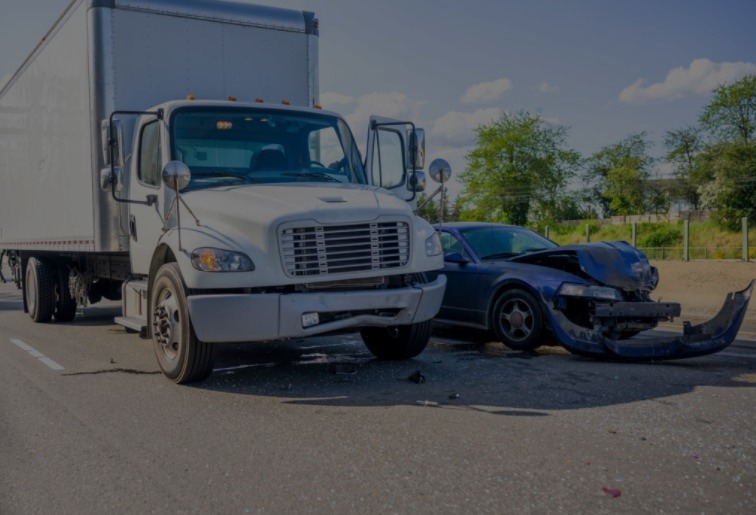
Legal Steps to Take After a Truck Accident in Florida
Truck accidents are not just “bigger car accidents.” They are legally distinct cases governed by a combination of Florida law, federal trucking regulations, and commercial insurance rules.
Because of that complexity, mistakes made in the first hours and days after a truck accident can permanently weaken a claim. Trucking companies and their insurers begin defending these cases immediately.
Understanding the legal steps to take after a truck accident in Florida is critical. Learn more on our Truck Accident page.
Why Truck Accident Cases Are Different From Car Crashes
Commercial trucks are regulated under Federal Motor Carrier Safety Administration (FMCSA) rules in addition to Florida traffic laws. These regulations directly affect liability, evidence, and fault.
- Higher insurance policy limits
- Multiple potentially liable parties
- Federal compliance requirements
- Aggressive corporate defense teams
Unlike individual drivers, trucking companies are prepared for litigation before an accident ever occurs.
Federal Trucking Regulations That Affect Liability
FMCSA regulations govern nearly every aspect of commercial trucking operations. Violations of these regulations can establish negligence.
- Maximum driving hours (hours-of-service rules)
- Mandatory rest periods
- Vehicle inspection and maintenance requirements
- Driver qualification and training standards
- Drug and alcohol testing protocols
If a driver exceeds allowable driving hours and causes a fatigue-related crash, liability may extend beyond the driver to the trucking company that allowed or encouraged the violation.
Chain of Responsibility: More Than Just the Driver
One of the most important legal differences in truck accident cases is shared liability. Responsibility often extends beyond the person behind the wheel.
- The truck driver, for negligent driving or rule violations
- The trucking company, for hiring, training, supervision, or scheduling practices
- Cargo loaders, if improper loading caused imbalance or spills
- Maintenance contractors, if faulty repairs contributed to failure
- Manufacturers, if defective parts played a role
Insurance companies aggressively shift blame among these parties to limit payouts. Identifying every responsible entity is essential to maximizing recovery.
Black Box Data, Hours-of-Service Logs, and Enforcement Records
Commercial trucks are equipped with electronic logging devices (ELDs) and event data recorders, commonly called “black boxes.”
- Speed at the time of impact
- Brake usage
- Engine data
- Driver hours and rest periods
Trucking companies also maintain:
- Driver logs
- Vehicle inspection reports
- Maintenance records
- Dispatch and delivery schedules
This data is not preserved indefinitely. If it is not formally requested and secured quickly, it may be overwritten or lost.
Preserving Evidence Unique to Commercial Truck Cases
Evidence preservation is one of the most time-sensitive aspects of a truck accident claim.
- Black box and ELD data
- Driver qualification files
- Maintenance and inspection records
- Cargo loading documentation
- Surveillance footage from depots or terminals
Trucking companies may legally discard certain records after short retention periods unless preservation is demanded. Delays can permanently eliminate proof of negligence.
What to Do at the Scene of a Truck Accident
If you are physically able, the following steps are critical:
At the scene:
- Call law enforcement immediately
- Request medical assistance
- Photograph vehicle positions, damage, road conditions, and signage
- Record the truck’s DOT number and company name
- Identify witnesses and collect contact information
After leaving the scene:
- Seek medical treatment promptly
- Avoid giving recorded statements to insurers
- Do not sign any documents
- Document symptoms and limitations daily
Even minor inconsistencies early on can be exploited later.
Why Insurers Target Contributory Parties in Truck Cases
Truck accident claims often involve multiple insurers with millions of dollars at stake. Insurance companies respond by:
- Blaming third parties
- Arguing shared fault
- Disputing regulatory violations
- Delaying evidence disclosure
Common Mistakes That Damage Truck Accident Claims
- Treating the accident like a standard car crash
- Speaking freely with trucking company insurers
- Waiting too long to secure evidence
- Settling before regulatory violations are uncovered
Once evidence is lost, no amount of legal argument can replace it.
Bottom Line
Truck accident cases in Florida are high-stakes, regulation-heavy, and aggressively defended. Federal trucking rules, shared liability, black box data, and corporate insurers make these claims fundamentally different from standard auto accidents.
Taking the correct legal steps early—especially preserving evidence and identifying all responsible parties—is often the difference between partial recovery and full compensation. Learn more in our Personal Injury section or visit our FAQs.