

Florida Rideshare Accident Claims: How Uber & Lyft Injury Cases Differ
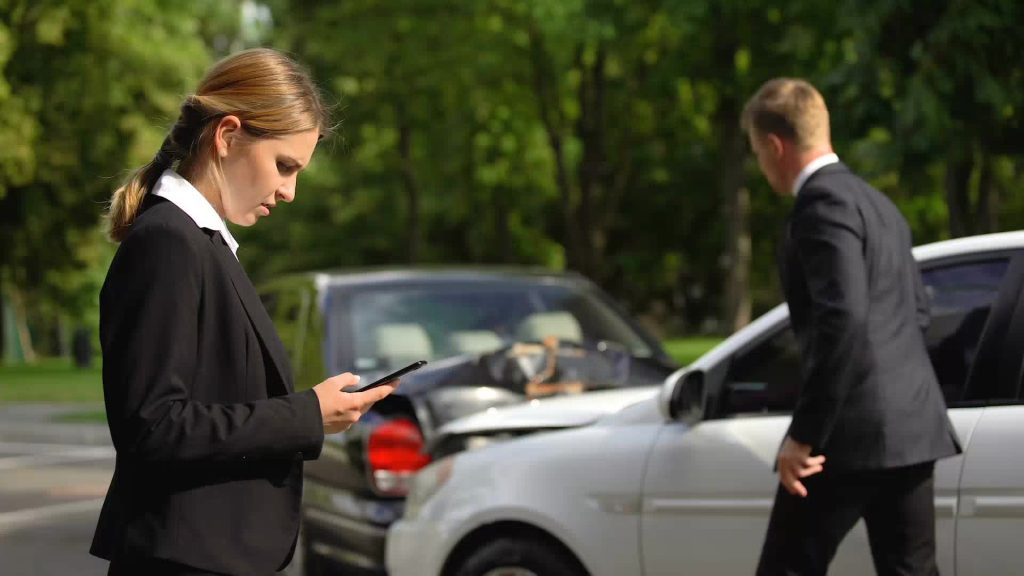
Rideshare accidents involving Uber or Lyft are not handled like ordinary car crashes. The presence of a rideshare company introduces layered insurance coverage, shifting liability rules, and procedural requirements that frequently confuse accident victims.
Insurance companies rely on that confusion to limit payouts. Understanding how Florida rideshare accident claims work—and how they differ from standard auto accident cases— is critical to protecting your compensation.
For general accident-related claims, visit our Car Accident page.
Who Pays First After a Rideshare Accident?
In a Florida rideshare accident, the question of who pays first depends on the driver’s status at the time of the crash. This is the single most important factor in determining insurance coverage.
Driver Not Logged Into the App
If the Uber or Lyft driver was not logged into the app at the time of the accident, the rideshare company has no liability.
- Only the driver’s personal auto insurance applies
- Uber or Lyft coverage is not triggered
Driver Logged In but Waiting for a Ride Request
When the driver is logged into the app but has not yet accepted a ride:
- Uber and Lyft provide limited contingent liability coverage
- Coverage applies only if the driver’s personal insurance denies the claim
- Coverage limits are significantly lower than full rideshare coverage
Driver En Route to or Transporting a Passenger
Once a driver accepts a ride or is actively transporting a passenger:
- Uber or Lyft provides commercial liability insurance
- Coverage limits are substantially higher
- Claims often involve multiple insurance companies
Determining the driver’s exact app status requires access to rideshare data, which is rarely provided without legal pressure.
Post-Collision Protocol for Rideshare Accidents
What you do immediately after a rideshare accident directly impacts your claim.
Critical steps include:
- Calling law enforcement and requesting an official accident report
- Documenting the scene with photos and video
- Collecting driver information, including rideshare platform details
- Reporting the accident through the Uber or Lyft app
- Seeking immediate medical treatment, even for minor symptoms
Failure to properly report the accident within the rideshare platform can delay or complicate coverage.
Multi-Policy Stacking and Underinsured Motorist Issues
Rideshare accident claims frequently involve multiple insurance policies.
Potential policies include:
- The driver’s personal auto insurance
- Uber or Lyft’s commercial liability policy
- Uninsured or underinsured motorist (UM/UIM) coverage
- Third-party driver insurance, if another vehicle is involved
Policy stacking occurs when multiple coverages may apply to the same accident. Insurers routinely dispute which policy pays first to avoid liability.
Underinsured motorist issues arise when:
- The at-fault party’s coverage limits are insufficient
- Multiple injured parties compete for limited policy funds
Without proper analysis, victims often accept less compensation than Florida law allows.
Commercial vs. Personal Liability Insurance
Commercial rideshare insurance operates under different standards than personal auto policies.
Key differences include:
- Higher policy limits paired with stricter claim scrutiny
- Additional documentation and reporting requirements
- Aggressive defense strategies by commercial insurers
- Delays caused by coverage disputes
Personal insurers may deny claims by alleging commercial activity, while rideshare companies may argue coverage was not triggered. This back-and-forth is a common tactic to delay or reduce payouts.
Evidence That Strengthens Rideshare Accident Claims
Rideshare accident claims depend heavily on evidence. Because liability is often contested, documentation must be thorough and preserved early.
Strong evidence includes:
- App screenshots showing ride status
- Timestamped photos of the accident scene
- Vehicle damage documentation
- Witness names and contact information
- Medical records linking injuries to the crash
- Traffic camera or surveillance footage
Rideshare companies do not retain all app data indefinitely. Preserving evidence early is critical.
Liability Scenarios in Rideshare Accidents
Injured Rideshare Passengers
Passengers typically have access to the highest coverage limits. Claims focus on establishing driver fault, triggering commercial coverage, and documenting injury severity.
Third-Party Drivers or Pedestrians
If you were struck by an Uber or Lyft vehicle:
- Coverage depends on the driver’s app status
- Multiple insurers may be involved
- Fault disputes are common
Injured Rideshare Drivers
Drivers may face limited recovery depending on:
- App status at the time of the accident
- Personal policy exclusions
- Workers’ compensation eligibility in rare cases
Each scenario requires a different legal strategy. Learn more about injury claims on our Personal Injury page.
Why Rideshare Accident Claims Are Undervalued
Rideshare accident claims are frequently undervalued because:
- Victims misunderstand layered insurance coverage
- Insurers delay determining responsibility
- Critical evidence is lost or never preserved
- Early settlements ignore future damages
Insurance companies rely on confusion to close claims cheaply.
Bottom Line
Florida rideshare accident claims are legally complex and insurance-driven. Uber and Lyft cases involve multiple policies, shifting liability, and commercial insurers trained to minimize payouts.
Understanding how these claims work—and what coverage applies— is the difference between partial compensation and full recovery. For additional guidance, visit our FAQs.